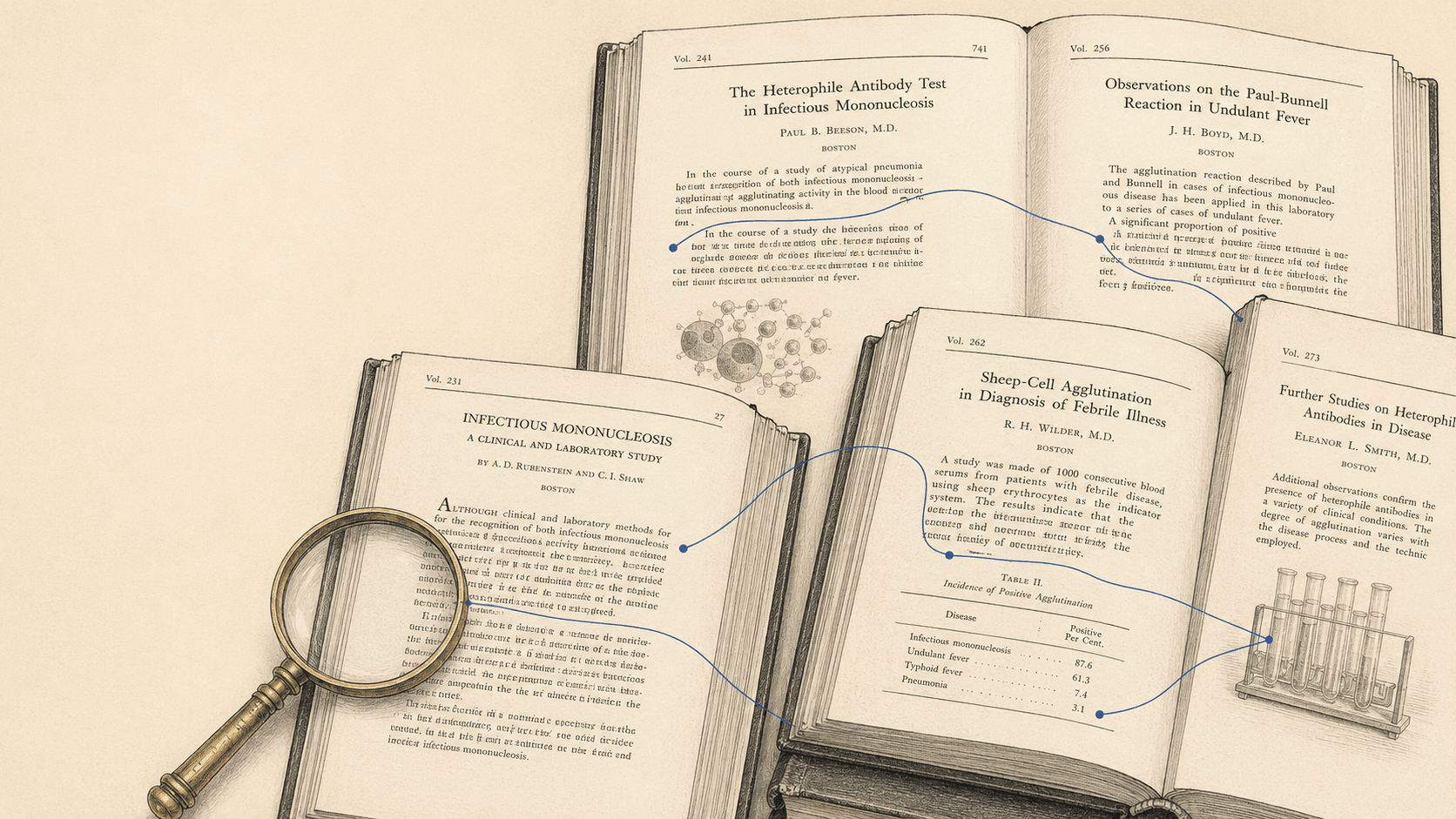
Best AI medical research assistants, for clinicians
Literature search, paper summarization, citation analysis, systematic-review extraction. Consensus and OpenEvidence have absorbed most clinician research traffic in 2026. We compared the full universe.
Which research tools are worth shortlisting in 2026?
Four tools survived our 2026 review for clinical use: Consensus for clinical yes/no questions; Elicit for systematic reviews; OpenEvidence for for verified physicians; Scite for citation evaluation.
Four tools we actually recommend
Each pick wins a specific use case. The wrong question is “which is best”. The right question is “which fits my situation”. Skip past the ones not matching yours.
by Consensus
Niche fit· 29Consensus Meter shows whether 200M peer-reviewed papers support or contradict a claim.
Free + $8.99-11.99/mo Premium. Heavy clinician adoption since 2023.
- 10 Pro messages per month and up to 3 Deep reviews.
- —
by Elicit Research, PBC
Niche fit· 28Extracts structured data tables from papers. The strongest tool for SR workflows.
Used by Cochrane and NIH researchers. Free + $10-42/mo. Multi-step research assistant.
- Limited usage for Research Agent and Research Reports. Zotero import.
- SOC 2 Type II
by OpenEvidence
Competitive· 42Grounded clinical Q&A from full PubMed + journal corpus. Free.
Pharma-ad funded. NPI verification required. ~65% US physician adoption. Listed here for research overlap.
- Free for NPI-verified physicians (ad-funded).
- —
by Scite (Research Solutions)
Top-ranked· 60Smart Citations classify whether a citing paper supports or contradicts the citation.
1.2B+ citation statements analyzed. $20/mo personal. Critical for understanding citation context.
- 7-day free trial. The pricing page lists no free plan.
- —

What should clinicians look for when buying research tools?
The right tool depends on your workflow, your specialty, your budget, and your scale. Five criteria do most of the work narrowing your shortlist.
Citation traceability
If a tool cites without showing the source paper inline, it's untrustworthy for clinical research. Consensus, Elicit, Scite, OpenEvidence all show sources. Many newer tools don't.
Corpus coverage
PubMed is the universal substrate but tools differ in what they add (preprints, regional journals, full-text vs abstract). For SR work, full-text access matters.
Workflow fit
Are you asking 'is X true?' (Consensus), 'tell me about this paper' (SciSpace), 'extract these data points across 50 papers' (Elicit), or 'find papers similar to this one' (ResearchRabbit)? Different tools for different jobs.
Price and tier
Most tools have free tiers limiting searches/month. Pro tiers run $10-42/mo. Institutional pricing typically 5-10x.
Export + integration
EndNote, Zotero, RIS, and CSV exports differ by tool. If you maintain a reference library, integration friction will accumulate fast.
Some outbound links below are affiliate links. We may earn a commission when you sign up, at no extra cost to you. Rankings are editorial and never sold. Full policy at /affiliate-disclosure.
How do all 12 tools compare side-by-side?
Pricing from vendor documentation, certifications verified against public attestations. Highlighted rows were directly evaluated by an MD on our editorial team within the past six months.
| Ref | Tool | From | Score | Compliance / EHR | Founded | Action |
|---|---|---|---|---|---|---|
| RE-001 | Connected Papers | 5 graphs per month, all features included. | 50/100Solid choice | — | Visit | |
| RE-002 |  Consensus | 10 Pro messages per month and up to 3 Deep reviews. | 29/100Niche fit | 2021 | Visit | |
| RE-003 |  Elicit Research, PBC | Limited usage for Research Agent and Research Reports. Zotero import. | 28/100Niche fit | SOC 2 Type II | 2021 | Visit |
| RE-004 |  Litmaps | Basic search and a capped number of inputs, articles and maps. The two free tables on the pricing page disagree, so limits are not quoted. | 12/100Tracked | — | Visit | |
| RE-005 |  Paperguide | $12/mo | 12/100Tracked | — | Visit | |
| RE-006 |  Perplexity AI | A free tier exists. | 35/100Competitive | 2022 | Visit | |
| RE-007 |  ResearchRabbit | $12.5/mo | 50/100Solid choice | — | Visit | |
| RE-008 |  Texthelp (now Everway) | $9.99/mo | 23/100Niche fit | — | Visit | |
| RE-009 |  SciSpace (Typeset) | Free sign-up. Limits are not shown on the pricing page. | 34/100Competitive | — | Visit | |
| RE-010 | Scite (Research Solutions) | 7-day free trial. The pricing page lists no free plan. | 60/100Top-ranked | 2018 | Visit | |
| RE-011 |  Ai2 (Allen Institute for AI) | Free search tool. The Academic Graph API and datasets are free and open. Unauthenticated use is rate-limited and an API key starts at 1 request per second. | 15/100Tracked | — | Visit | |
| RE-012 |  Undermind | Standard rate limits on chats and searches. | 42/100Competitive | 2023 | Visit |
Scroll horizontally to see all columns.
What do clinicians ask about research tools?
Sourced from researcher communities and editorial review across multiple medical specialties.
Browse all questionsDeeper articles
Suki pricing in 2026: what practices and health systems actually pay
Suki publishes no price. Third parties report $299 to $399 per user per month, and $350 to $500+ on enterprise contracts, as of October 2026.
Ambience Healthcare pricing in 2026: what health systems actually pay
Ambience publishes no price and ties its fees to outcomes. Third-party estimates run about $233 to $417 per provider per month, as of October 2026.
Abridge pricing in 2026: what health systems actually pay
Abridge publishes no price. Third-party estimates run from about $208 to $600 per clinician per month, plus implementation, as of October 2026.